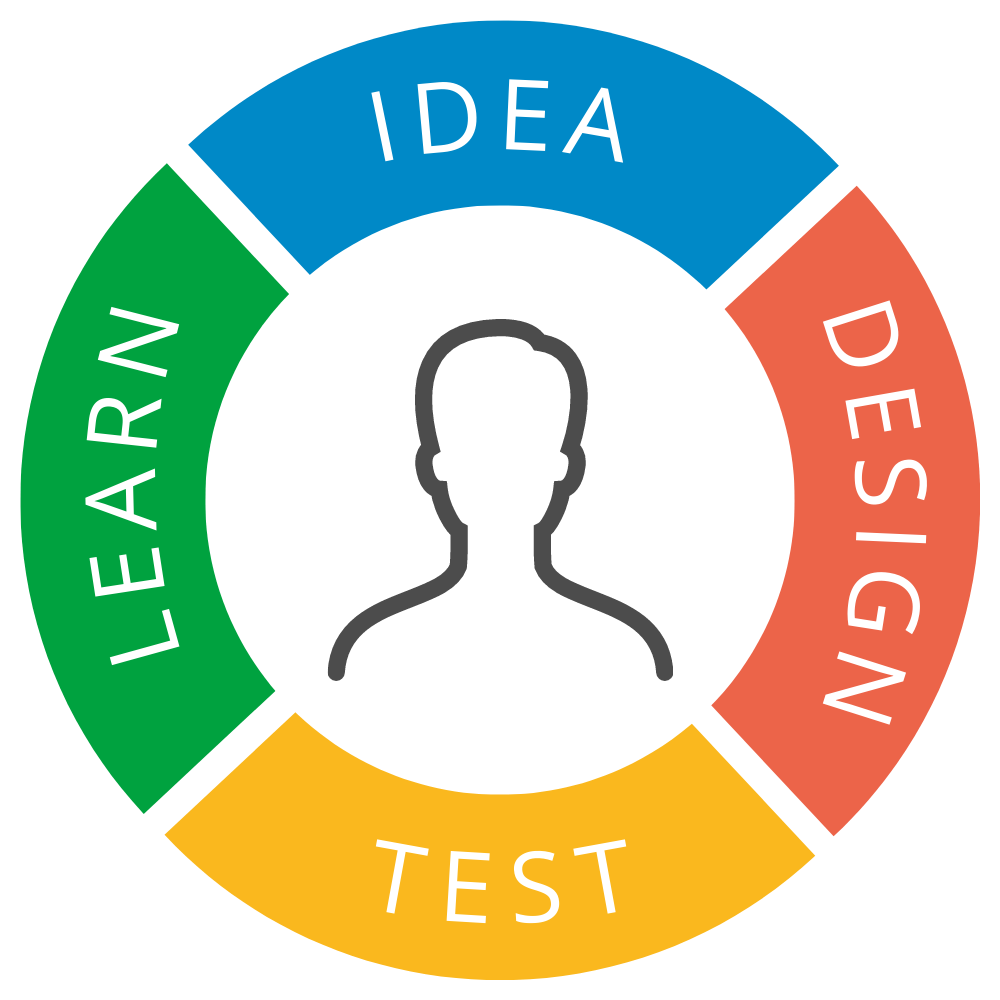

This heated debate is gaining momentum in the design world due to the rapid development of artificial intelligence.
1. Who argues that frameworks like Google Design Sprint are no longer relevant?
Anthropic’s Head of Design, Jenny Wen, argues that design process frameworks, such as Google Design Sprint, have become outdated because new tools make it possible to create working prototypes faster than anyone can write a well thought out problem statement.
Wen encourages designers to trust their intuition, skip steps when needed, and start from solutions rather than problems, so the focus can shift away from “bureaucracy” toward creating enjoyable products.
2. What is the counterargument?
People from the Nielsen Norman Group have provided their own explanation, arguing that the design process is not dead – it has simply accelerated. What experienced designers call intuition is actually the application of skills developed over years of practice.
They warn that relying solely on intuition is particularly risky for less experienced designers, who lack a similar depth of experience as Wen, and in high-stakes projects where following a design process is necessary to mitigate risks.
Additionally, they emphasize that highlighting only “solution-first” success stories is a classic “defense tactic” that ignores many previously failed ideas.
3. What is my experience?
Promoting an intuition-based approach reminds me of that exciting time when many were fascinated by Apple’s new products (iPod, iPhone, iPad), and a belief started to spread that Apple always knows what customers need without validating with users – they simply rely on intuition.
Other companies began copying this approach. What happened, however, was that many companies started losing millions by relying on intuition. I have also been involved in projects where trusting decision-makers intuition, and not validating with users, ended up costing companies significantly.
Most of the successful projects have been those where we have been able to implement a user-centered design process. This remains true even in the age of AI, where real user feedback cannot be replaced by artificial intelligence. However, the overall design process has become faster thanks to quicker input creation, prototyping, and development with AI.
How has the design process changed in your team?