I hope your summer has been going well.
In this newsletter, I’m bringing you some interesting reads, videos, and a little humour from the worlds of UX and AI.
1. Tuuli Nele Valgma: A UX/UI Designer Must Know How to Ask “Why?”
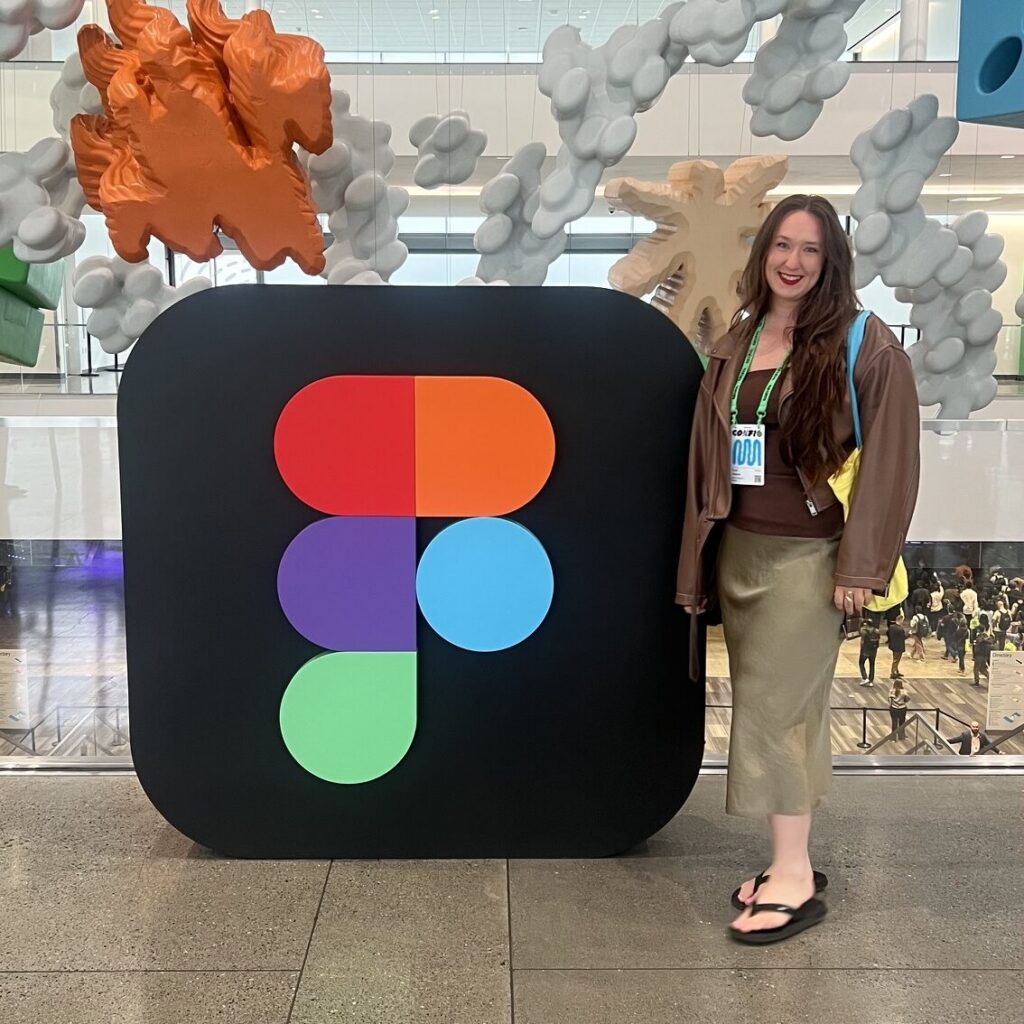
We spoke with Tuuli Nele Valgma about the buzz at the Figma conference in San Francisco and the ideas she brought home.
You’ll also find inspiration in Tuuli Nele’s career journey from working as a secretary to designing user interfaces, along with a glimpse into her day-to-day work as a UX/UI designer at Stebby.
Read the inspiring interview ➔
2. What are Piletilevi’s UX strengths and opportunities for improvement?
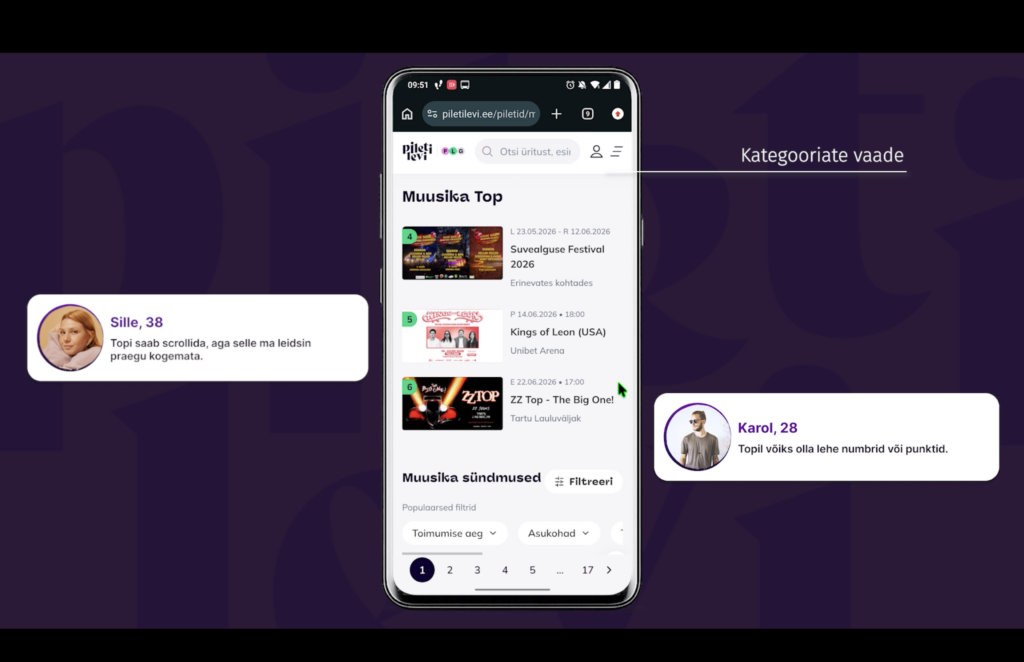
Tatjana Iljina explored this question as part of her coursework by testing Piletilevi’s mobile website with real users.
The tests revealed several areas of the user journey that needed improvement: horizontally scrollable content wasn’t obvious, the sheer number of filters caused confusion, event information felt too text-heavy, and using the calendar proved more difficult than expected.
There were positive experiences, too. For example, the ability to find events on a map received unanimously positive feedback, although the feature itself could be easier to discover.
3. Is AI really as good at design as it claims?

Researchers compared five generative UI tools – ChatGPT, Claude, Firebase Studio, Vercel v0, and Bolt – to see how the AI’s descriptions of its design decisions matched what it actually delivered in the finished interface.
On average, around a quarter of the design decisions described by the AI never made it into the actual interface. The gap was even wider for functional requirements. The AI could convincingly explain what it had done and why, even when the promised solution was missing.
The authors call this phenomenon “design theatre”: the AI’s account sounds convincing, but the finished result may not actually follow it.
4. How big is the user’s mental “budget”?
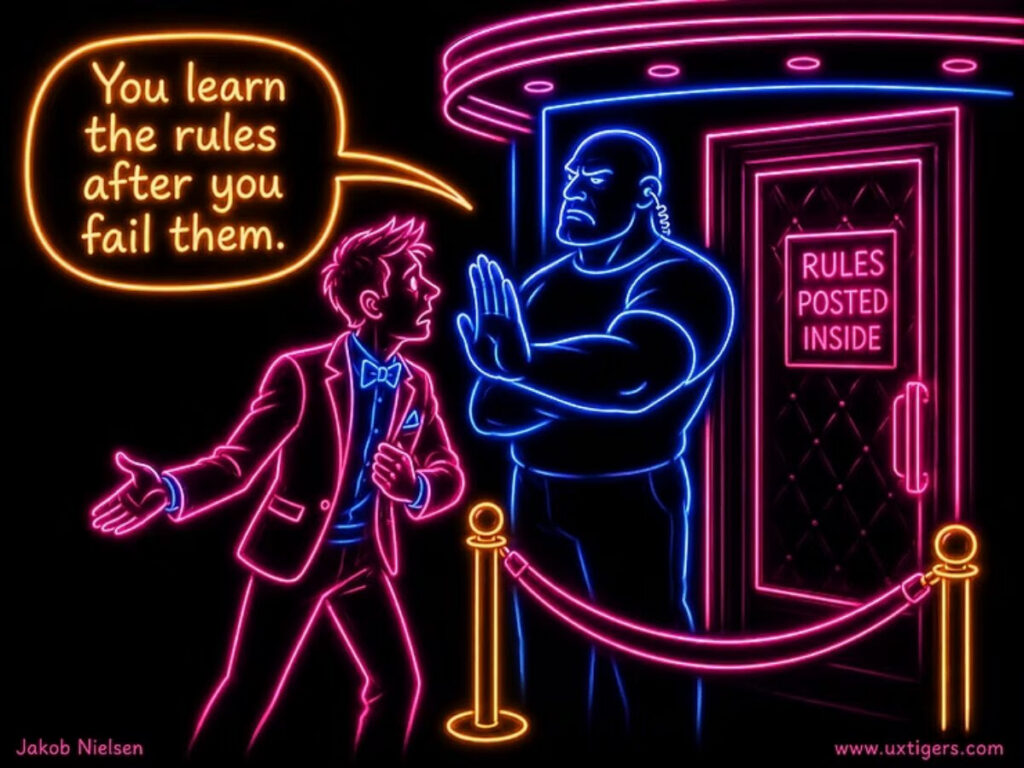
Jakob Nielsen wrote that cognitive load shouldn’t be treated as something to reduce at all costs. Instead, it helps to think of the user’s attention and working memory as a limited budget.
Our working memory can hold roughly four chunks of information at once. If a user has to remember an earlier choice, look for a button, interpret confusing text, and compare prices all at the same time, that “budget” is already almost exhausted.
Nielsen’s advice to designers is simple: users should spend their mental energy on achieving their goals, rather than figuring out the interface.
5. Will robots take our jobs?

Comedian ISMO shared how he used to think the fear of robots and AI was pretty ridiculous. That was until he had to start looking for a new job during the pandemic.
“I went to a job site, and the first question was: ‘Are you a robot?’ I thought, damn, it’s really happening – they’re already here, applying for the same jobs as us.”
When the site couldn’t find him any suitable jobs after he answered, he came up with a new plan: next time, just admit you’re a robot. Failing to spot the traffic lights in the CAPTCHA images would probably be enough proof.